What you can hold
IRA-Eligible Gold Coins: The Strict Regulatory Reality
The IRS list of permitted metals is narrower than most dealers admit, and the rules are more specific than the marketing suggests. Here is exactly what qualifies, the named exceptions, and the products sold as “IRA gold” that quietly fail the test.
The §408(m) purity rule
The governing law is Internal Revenue Code §408(m). It permits precious metals in an IRA only when they meet a minimum fineness and are held by an approved trustee. For gold, the minimum is 99.5% pure (.995 fineness). Silver must be 99.9%, platinum and palladium 99.95%. A coin or bar that falls below its threshold is simply not eligible, regardless of how it is marketed.
| Metal | Minimum fineness | Common eligible examples |
|---|---|---|
| Gold | .995 (99.5%) | Gold Maple Leaf, LBMA bars, American Eagle (by exception) |
| Silver | .999 (99.9%) | Silver Eagle, Silver Maple Leaf, approved bars |
| Platinum | .9995 | Platinum Eagle, approved bars |
| Palladium | .9995 | Approved bars and select coins |
The American Eagle exception
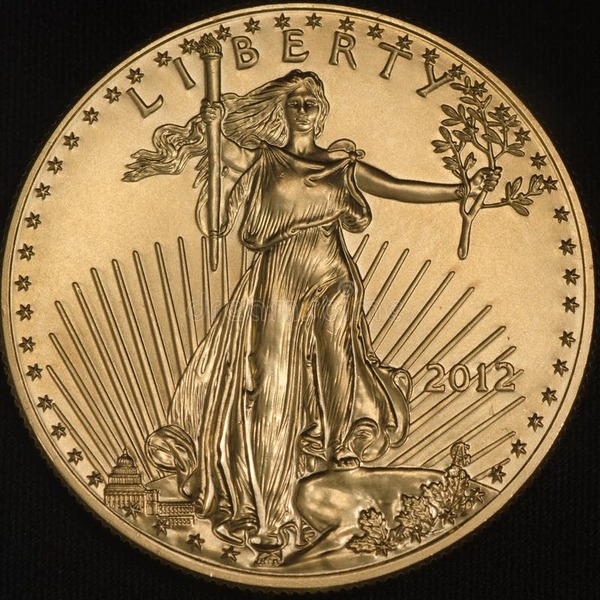
There is one famous wrinkle. The American Gold Eagle is only 91.67% pure (22-karat), which is below the .995 threshold. It is nonetheless eligible because §408(m) names it explicitly by statute — a deliberate Congressional exception. This is the kind of specific, non-obvious rule that separates a dealer who knows the law from one who is improvising. The Eagle qualifies; a generic 22-karat coin that is not named in the statute does not.
The principle
Eligibility comes from either meeting the fineness minimum or being named in the statute. “It’s gold, so it counts” is not how the rule works.
Coins and bars that qualify
The reliably eligible list is short and boring, which is exactly its virtue. American Gold Eagles (by exception), American Gold Buffalos (.9999), Canadian Gold Maple Leafs (.9999), Austrian Philharmonics, and Australian Kangaroos all qualify, as do bars and rounds produced by an LBMA-, NYMEX-, or COMEX-approved refiner meeting the fineness minimum. These are the products with a transparent, checkable melt value — the ones whose price you can verify against spot.
What does not qualify
Several categories fail outright. Collectible and numismatic coins valued for rarity rather than metal content are excluded. Pre-1933 and most foreign “rare” coins generally fail. Graded or “certified” coins in slabs are typically sold at premiums that have nothing to do with eligibility. And anything below the fineness minimum — including the South African Krugerrand at 91.67%, which unlike the Eagle is not named in the statute — does not qualify.
“IRA-approved” marketing traps
The phrase “IRA-approved” is not a regulatory designation; anyone can print it. The trap works like this: a coin is technically eligible on fineness, so the dealer truthfully calls it “IRA-approved,” then sells it at a numismatic-style premium far above its melt value. You have bought an eligible coin at an ineligible price. Eligibility and value are two different questions, and the marketing deliberately blurs them.
How to verify before you buy
Three checks protect you. Confirm the fineness against the §408(m) minimum, or confirm the coin is named in the statute. Confirm the price against melt — multiply the metal content by spot and see how large the premium is. And ask the dealer directly whether the product is standard bullion or a premium/numismatic product. A dealer who refuses to answer plainly has answered.
“A false balance is an abomination to the Lord, but a just weight is His delight.”Proverbs 11:1
Grace removes the question entirely by selling only standard IRS-eligible bullion — American Eagles, Maple Leafs, and LBMA-approved bars — at a published spread. There is no “exclusive” coin in the catalogue, because the exclusive coin is where the rule and the price most often part ways.
When you’re ready
Bullion only. Nothing that fails the test.
Grace sells only standard IRS-eligible bullion. Ask a salaried expert to confirm any product’s eligibility before you buy it anywhere.
Two more reads from the library
This article is educational and does not constitute tax, legal, or investment advice. Grace Precious Metals is a precious metals dealer. Gold IRAs require an IRS-approved custodian and depository. Gold investments carry risk, including potential loss of principal. Past performance does not guarantee future results. Consult a qualified professional regarding your specific situation.